Integrated In Vitro ADME and DMPK Support for Early-Stage Drug Discovery
At o2h Discovery, we provide integrated in vitro ADME and in-vivo Pharmacokinetics/Pharmacodynamics (PK/PD) services to accelerate novel drug discovery programmes and support the development of small molecules, peptides, nucleosides, and lipid-based therapeutics. Our scientifically driven and flexible workflows are tailored to support early-stage drug discovery through to candidate nomination. By delivering high-quality, decision-enabling data, we help align your medicinal chemistry, biology, and pharmacokinetics efforts ensuring faster, smarter progression of your lead compounds.
Whether you are optimising bioavailability, minimizing drug-drug interactions, or predicting human PK/PD, our DMPK platform is built to de-risk and optimise drug candidates effectively.
-
 12+ Years of Experience
-
 Large Scientific Team
-
 > 1000 ADME Studies Each Year
-
 Integrated with Chemistry & Biology
Comprehensive ADME Assay Platforms
- Solubility (kinetic, thermodynamic, FaSSIF, FeSSIF, FaSSGF, simulated lung fluid)
- Lipophilicity (LogP, LogD, Chrom LogD and pKa)
- Stability (buffer, pH, plasma)
- PAMPA
- CACO2- permeability
- MDCK-MDR1 permeability
- MDCK-WT permeability
- P-gP transporter in CACO2 and MDCK
- BCRP substrate identification
- BCRP inhibition
- MDCK-BCRP Permeability
- OATP1B1 substrate identification
- OATP1B1 transporter inhibition
- Hepatic uptake
- Microsomal Stability
- Non-CYP mediated Metabolism
- S9 stability
- Hepatocyte stability
- sEH stability
- Metabolic identification
- L-Glutathione stability
- GSH conjugation
- Cathepsin cleavage
- CYP inhibition
- CYP induction
- CYP TDI
- UGT inhibition
- SULT inhibition
- Plasma protein binding
- Tissue homogenate binding
- Blood-plasma partitioning
- Microsomal binding (Fuinc)
- Hepatocyte binding (Fuinc)
- Whole blood stability
- brain homogenate binding
- Serum Protein Binding
Customised Assays
Tailored assays to meet niche research needs, including:
- ChameLogK (Bio-availability of 'beyond rule of 5' molecules)
- Cathepsin Cleavage
- Soluble Epoxide Hydrolase (sEH) Stability
- Aldehyde Oxidase (AO) Phenotyping
- Photostability under Stress Conditions
- GST-mediated GSH Reactivity
Instruments
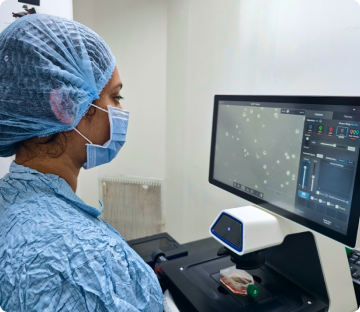
Our DMPK labs are equipped with cutting-edge technologies to deliver reproducible and high-quality data. Our instrumentation is continuously calibrated, validated, and operated by experts, ensuring every data point is dependable.
- LC-MS/MS Platforms
- Multimode Plate Readers
- HPLCs & UPLC
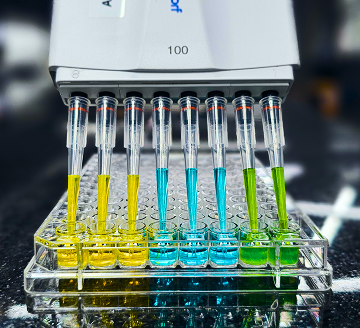
- Liquid Handling Systems
- Cold Storage & Reagent Management
Case Study
Enhancing Bioavailability of a Neurological Compound
A novel CNS candidate showed poor PK due to high crystallinity, low solubility, and limited exposure. By combining medicinal chemistry optimization, crystallinity control, and advanced formulation design, o2h Discovery achieved a five-fold solubility increase and improved systemic exposure, enabling smoother preclinical progression.
Why o2h Discovery?
Our unique points-based system provides an easy-to-use and cost-effective way to access flexible ADME services: get the economies of scale & the flexibility you need, without all the paperwork. Whether you’re an emerging biotech or an established pharma partner, we meet you where you are and move forward together. Here’s how our approach sets us apart:
-

Tailored ADME Assays for Diverse Molecules
From standardized ADME panels to custom assay development, our team adapts protocols to your molecule's unique characteristics, including small molecules, peptides, lipids, nucleosides. This ensures you get the most relevant, decision-ready data.
-

Competitive DMPK Services Without Cutting Corners
Our DMPK services are competitively priced to support both early-stage biotech and larger pharma programs, enabling consistent, budget-conscious progress without sacrificing scientific rigor.
-

Fast, Reliable Turnaround
In early drug discovery, timelines matter. We're built for agile delivery, providing reliable data turnaround that support agile decision-making, hit key milestones, and adapt your strategy as needed.
-

Insight-led Interpretation of ADME/DMPK Data
From experimental design to data interpretation, our experienced team provides continuous, hands-on guidance, ensuring that every dataset leads to clear insights and informed next steps.
-

Collaborative, Transparent Scientific Partnership
We emphasize regular updates, open dialogue, and proactive troubleshooting, fostering a partnership model rather than a transactional service.
FAQ
What are DMPK Studies?
DMPK studies investigate the pharmacokinetics, metabolic pathways, enzyme interactions, and excretion profiles of drug candidates. These studies are crucial for assessing drug-drug interaction potential, optimising dosing strategies, and supporting regulatory filings throughout a drug’s development.
What does ADME stand for?
ADME refers to the Absorption, Distribution, Metabolism, and Excretion of a compound. These pharmacokinetic processes determine how a drug is handled by the body and are critical to understanding its safety and efficacy.
Why do you need ADME studies?
ADME studies are essential to evaluate how a drug candidate behaves in the body, to predict human pharmacokinetics, and to guide medicinal chemistry optimisation. They help identify liabilities such as poor bioavailability or metabolic instability early, reducing the risk of late-stage failure.
Are ADME and DMPK the same?
While closely related, ADME refers specifically to the pharmacokinetic properties of a drug, whereas DMPK (Drug Metabolism and Pharmacokinetics) encompasses a broader discipline that includes both ADME testing and the interpretation of pharmacokinetic and metabolism data in drug discovery and development.